
Introduction: Importance of Cleaning Hearing Aid Devices
Keeping your device in top condition is essential for clear sound and long-lasting performance, and proper cleaning hearing aid maintenance plays a major role in that. At Hearing Aid Helper, we understand how important daily upkeep is for hearing aid users who rely on consistent audio clarity. Regular cleaning hearing aid routines not only improve sound quality but also help prevent costly repairs and extend device lifespan.
Hearing aids are exposed to earwax, moisture, dust, and skin oils every day. Over time, these elements can block microphones, speakers, and filters, reducing performance. That’s why developing a simple but effective cleaning habit is essential.
Why Cleaning Hearing Aid Maintenance Matters
One of the most common issues users face is reduced sound quality due to buildup inside the device. Even a small amount of wax can block sound outlets and distort audio. This is where consistent cleaning hearing aid maintenance becomes important. By removing debris daily, you ensure your device continues to deliver clear and natural sound.
At Hearing Aid Helper, we recommend treating hearing aids like precision instruments. They are small electronic devices designed to amplify sound accurately, and even minor dirt accumulation can affect performance. Proper cleaning also reduces the risk of bacteria buildup, which can cause discomfort or ear infections.
Daily Cleaning Hearing Aid Routine for Better Performance
A simple daily routine can significantly improve the lifespan and efficiency of your hearing aid. Start by gently wiping the surface of your device with a soft, dry cloth. Avoid using water or cleaning chemicals, as moisture can damage internal components.
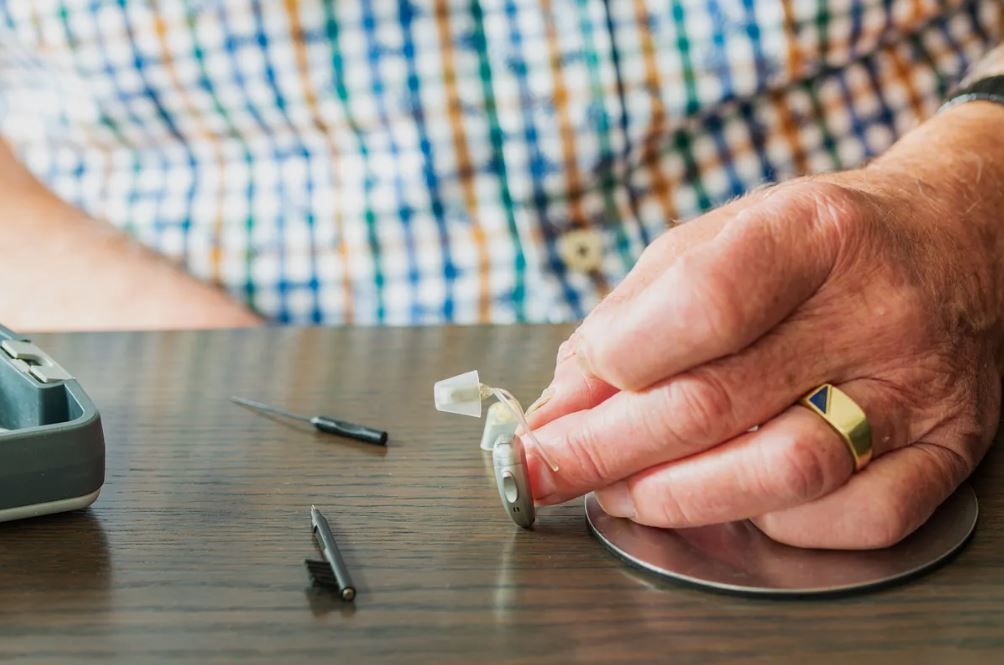
Next, check the sound outlet and microphone openings for any visible blockage. A small cleaning brush or tool provided with most devices can help remove wax buildup safely. Hearing Aid Helper suggests performing this routine every night before storing your device in a dry, safe case.
Another important step is keeping your hearing aid away from humidity. Moisture is one of the biggest threats to electronic hearing devices. Using a drying box or dehumidifier overnight can significantly reduce internal damage and improve long-term performance.
Weekly Cleaning and Deep Maintenance Tips
In addition to daily care, weekly cleaning hearing aid maintenance should be more detailed. This includes replacing wax filters if needed and inspecting tubing or domes for signs of wear. If you notice reduced sound clarity even after cleaning, it may be time to replace small components.
Hearing Aid Helper also recommends checking battery compartments regularly. Corrosion or dirt in this area can affect power supply and overall device function. Keeping everything clean ensures your device operates smoothly without unexpected interruptions.
Common Mistakes to Avoid While Cleaning Hearing Aid Devices
Many users unintentionally damage their devices while trying to clean them. One major mistake is using sharp objects like pins or needles to remove wax. This can permanently damage internal parts. Another mistake is using alcohol wipes or water-based cleaners, which can lead to moisture damage.
Instead, always use manufacturer-approved cleaning tools. Hearing Aid Helper emphasizes safe and gentle cleaning methods that protect sensitive components while ensuring effective maintenance.
Final Thoughts on Cleaning Hearing Aid Care
Proper cleaning hearing aid care is essential for anyone who depends on these devices for daily communication. With consistent attention and the right techniques, you can improve sound quality, reduce repair costs, and extend the life of your device. Hearing Aid Helper is committed to helping users maintain their hearing aids with simple, practical, and safe cleaning solutions.
By making cleaning a regular habit, you ensure that your hearing aid continues to perform at its best, providing clear and reliable sound every day.